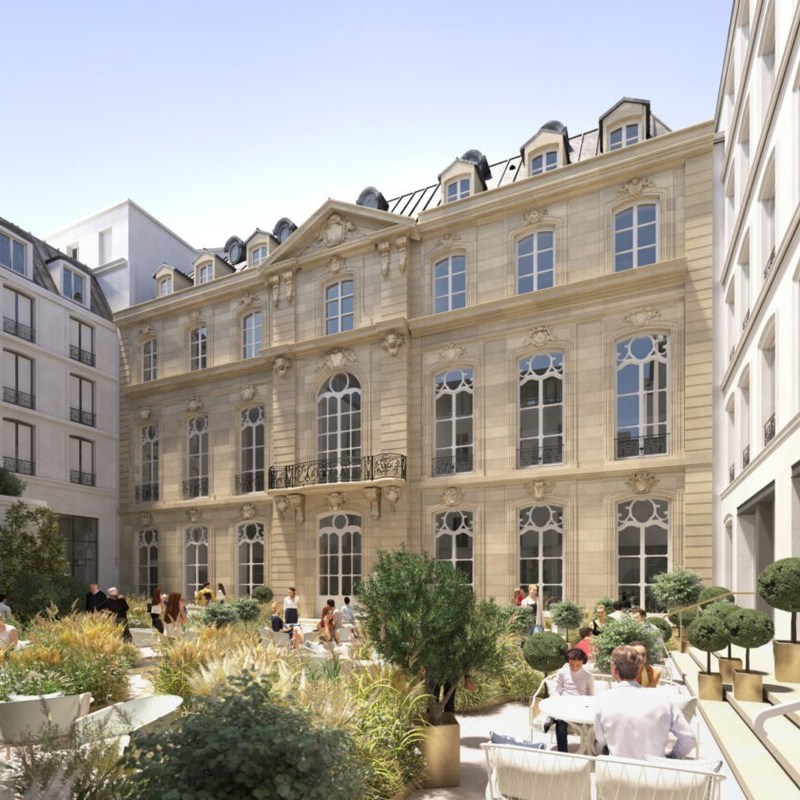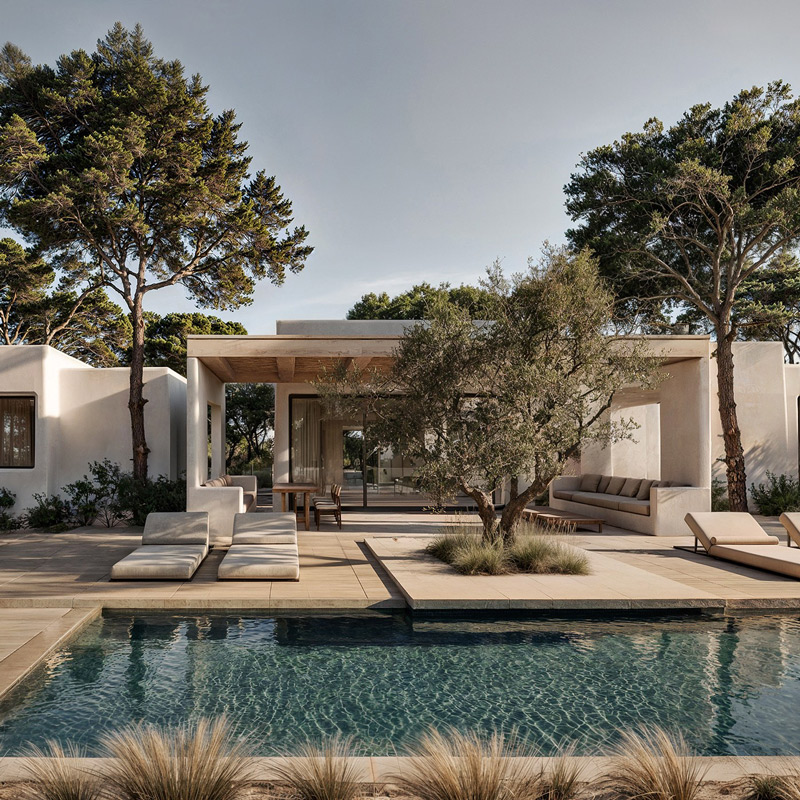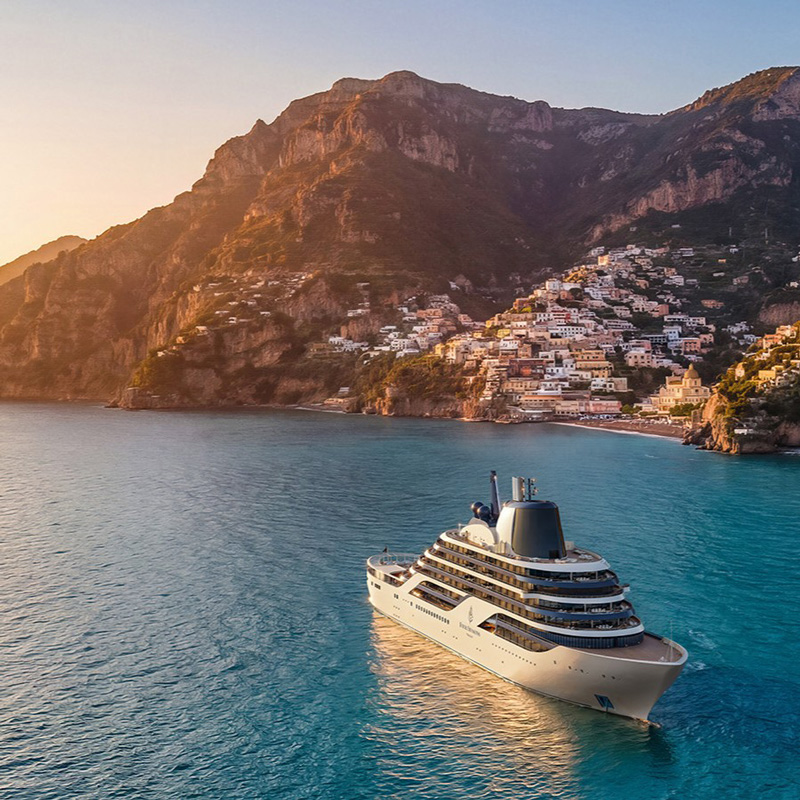

Why New Hotels Win
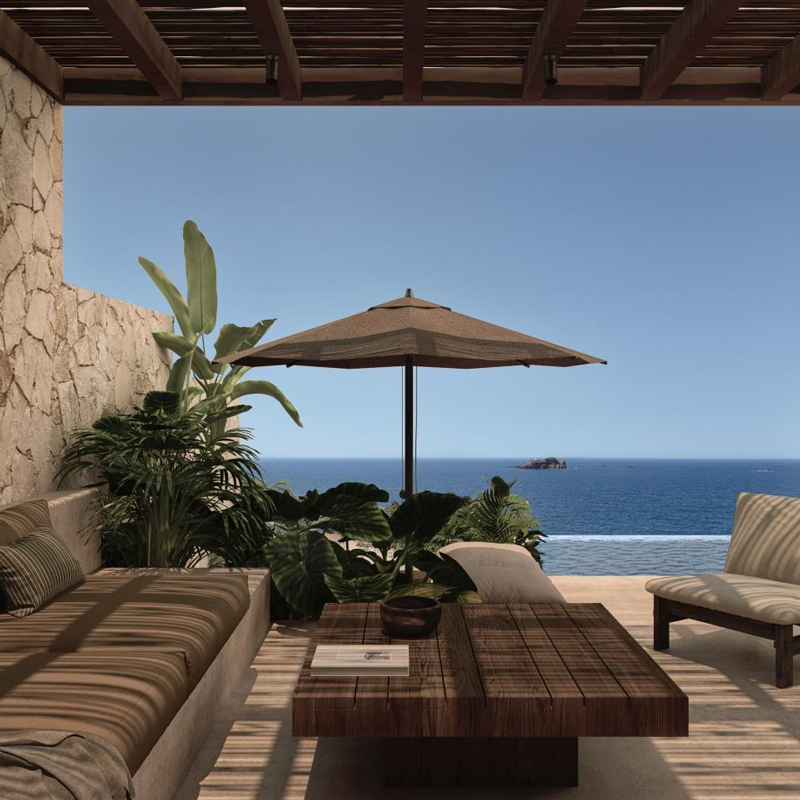
The Case for Staying Somewhere That Just Opened
There’s a particular kind of traveller — the one who reads opening announcements before they read reviews, who notices when an architect they follow takes on a hotel project, who books a property in its first month rather than its tenth year. The traveller for whom new is a feature, not a risk.
We built The New Stays for that traveller. After five years of covering openings across the Mediterranean, the Americas, Asia and the Middle East, a clear pattern has emerged: the best hotel experiences are now disproportionately concentrated in properties under twelve months old. The reasons are structural, not sentimental — and they’re worth understanding before you book your next stay.
1. Everything Feels Fresh
There’s a real, measurable difference between walking into a hotel that opened last month and one that opened a decade ago. Pristine rooms, untouched textures, brand-new mattresses, lighting fixtures that haven’t been replaced fifteen times by maintenance. Every surface reflects the hotel as the design team intended — before wear, before workarounds, before the inevitable compromises that creep into any building over time.
The technology layer is equally telling. New hotels are designed around current expectations: seamless mobile check-in, room control via a single interface, lighting and sound calibrated to actual human comfort rather than legacy systems. It sounds minor until you’ve spent an evening fighting a hotel room thermostat from 2014.
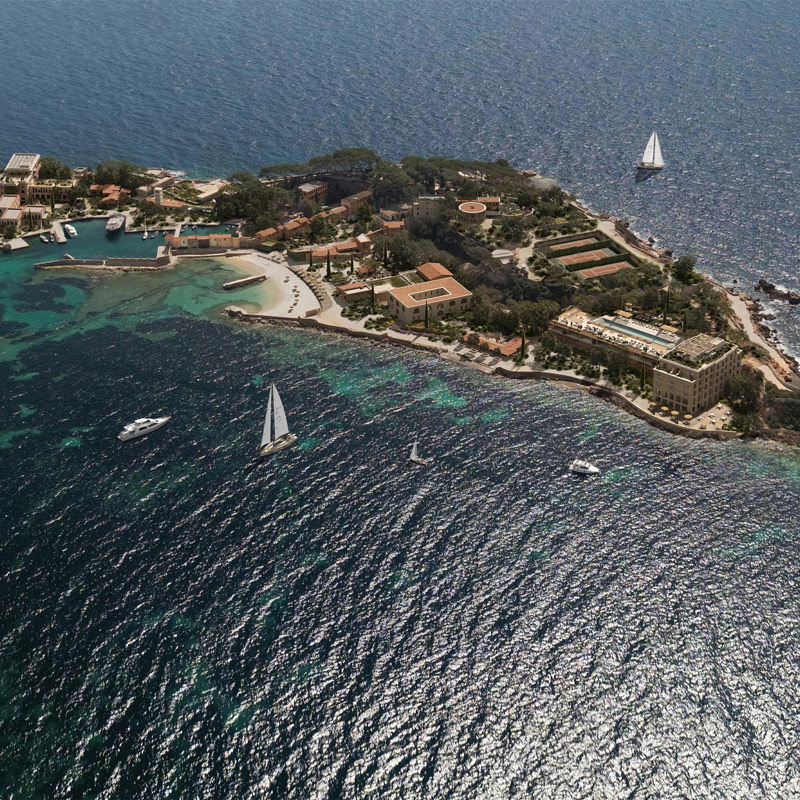
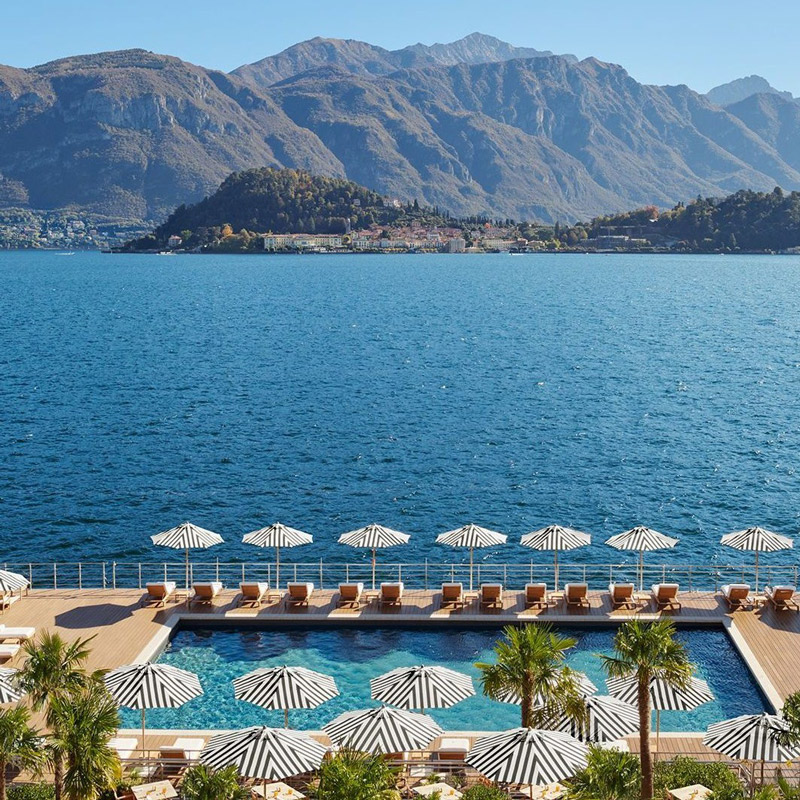
It’s a sense of discovery that established properties — however prestigious — simply cannot replicate. Look at Zannier Île de Bendor, the group’s most ambitious 2026 opening on a private island off the French Mediterranean coast — a property where every detail, from the architecture to the F&B, has been built from scratch in a setting most hoteliers would never have access to. Or The Lake Como Edition, bringing Ian Schrager’s design-forward brand to one of Europe’s most photographed lakes for the first time. The first guests at properties like these don’t get a worn-in version of the hotel — they get the version the architect actually drew.
2. Design Built for Today
Contemporary architecture is at the heart of most new openings, and it shows. Today’s hotels are commissioned from architects and interior studios who are actively shaping the conversation about hospitality — bold yet considered, locally rooted, and designed for how travellers actually live in 2026 rather than how they lived in 2010.
The materials are different. The volumes are different. The way light, texture and indoor-outdoor flow are handled has evolved substantially. A new hotel today doesn’t just look more current than a renovated one — it functions differently, because the assumptions behind its design are different.
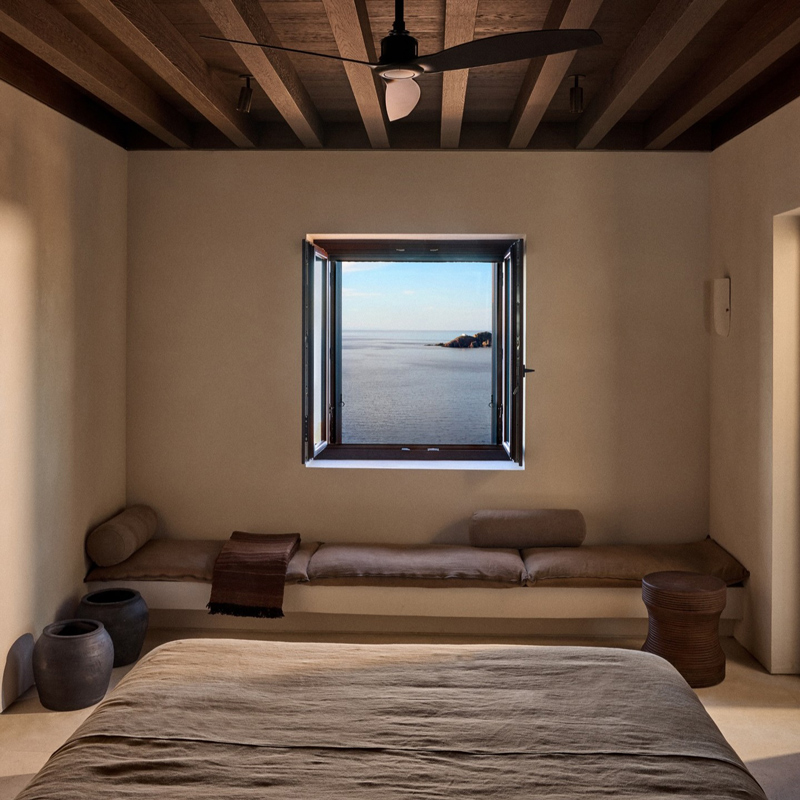
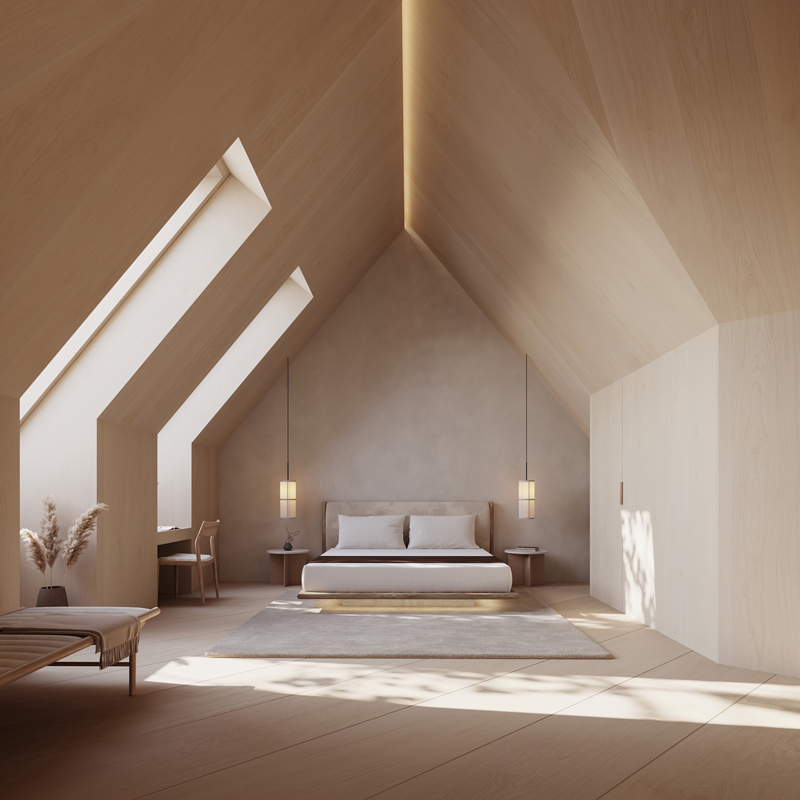
The range of what “contemporary” now means is part of the story. Luura Cliff brought Elastic Architects and the interior studio Lambs and Lions onto the Paros cliffs of Agia Irini for a 39-key, adults-only debut — warm, layered, almost cinematic. At the other end of the design spectrum, Eha Wellness Retreat is opening on the Estonian island of Hiiumaa with a Nordic-Baltic vocabulary built around timber, stillness, and the silence of the surrounding forest. Both are unmistakably hotels of 2026 — and the fact that they have so little visually in common is itself the point. Contemporary design is no longer a single aesthetic.
3. Discover Emerging Destinations
New hotels don’t open randomly. They open where the most experienced operators believe travel is headed — which means a new opening is, in itself, a market signal. Where hoteliers are investing tells you which destinations are about to enter their next chapter, often a year or two before mainstream travel media catches on.
The pattern is consistent. A small wave of openings precedes a destination’s broader discovery, then accelerates it. Travellers who stay early experience the place before it’s crowded, before restaurant reservations require a month of notice, before the soundtrack of every café becomes the same.
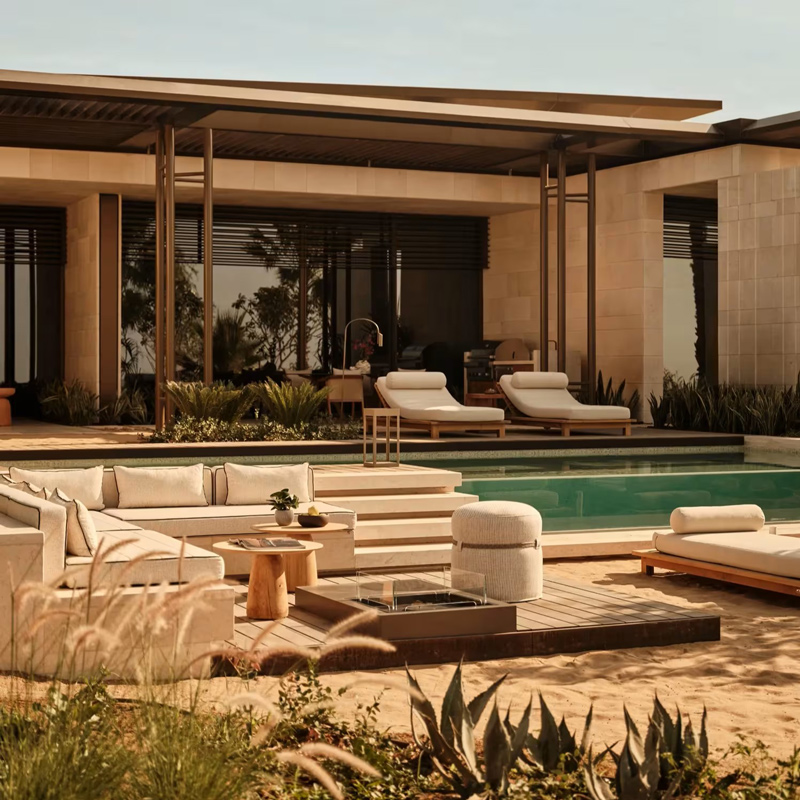
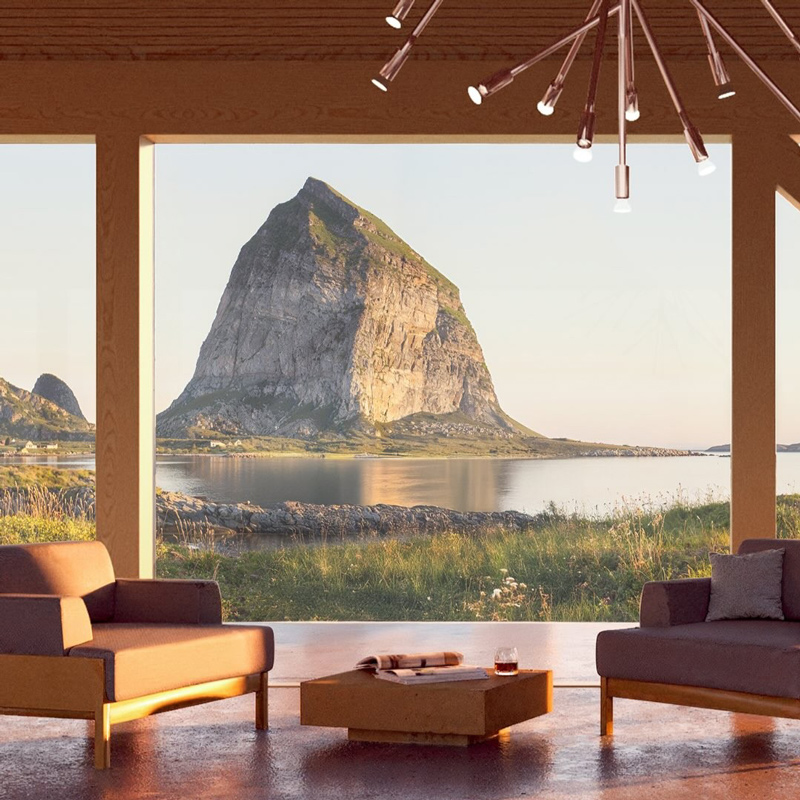
Two openings illustrate the point at opposite ends of the map. Rosewood Amaala is part of one of the most ambitious destination-building projects in modern hospitality — Saudi Arabia’s Amaala, a stretch of Red Sea coastline being developed from scratch as a high-end wellness and cultural destination, with Rosewood as one of its anchor names. At the other extreme, Ytri Island Retreat is a remote opening in the Helgeland archipelago of northern Norway — one of the least-trafficked stretches of European coastline, where the Atlantic meets a landscape most travellers haven’t yet thought to map. Both stays share the same logic: arrive before the destination is fully named.
4. Be Among the First
There’s a specific texture to the early days of a hotel that disappears once the property settles into its operating rhythm. The team is finding its voice. The kitchen is calibrating its menu against actual guests rather than tasting panels. The general manager personally walks through the lobby every evening because the property is small enough — emotionally if not physically — to allow it.
Early guests aren’t just experiencing a hotel; they’re experiencing a property in the act of becoming itself. That’s a different proposition entirely. It carries a sense of personal connection that the same property, two years later, will struggle to recreate at scale.
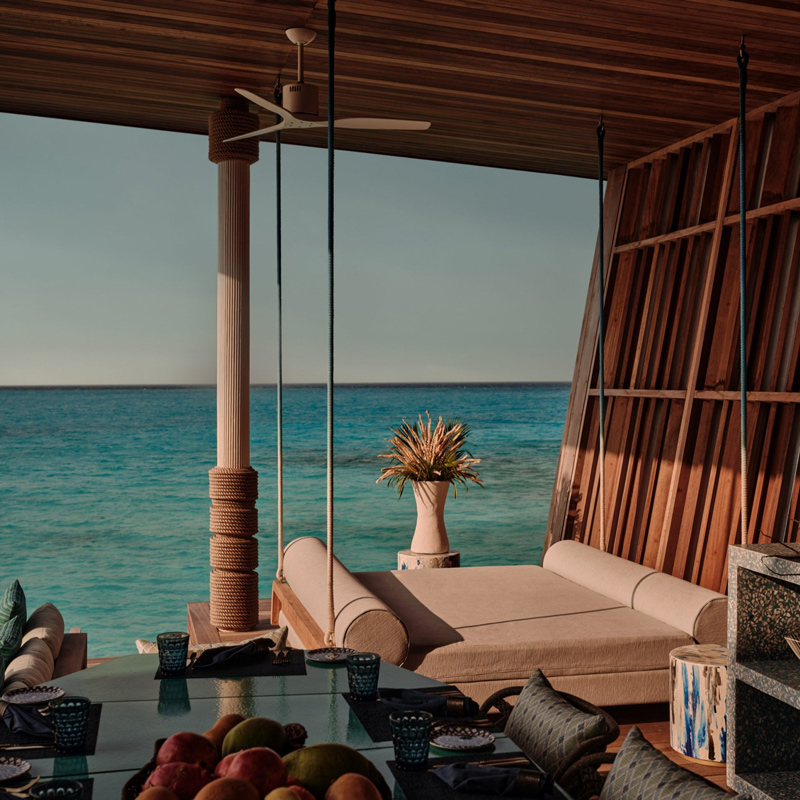
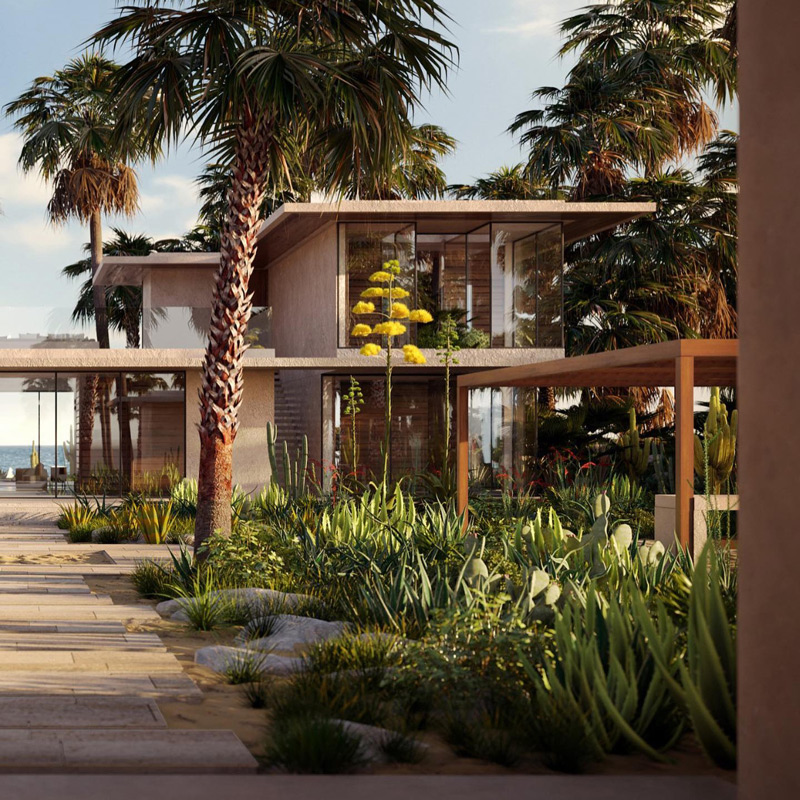
Two 2026 openings make the case in different ways. .Here Baa Atoll introduces an entirely new resort concept in the Maldives — a market that has spent the last decade saturating, and is now being reset by operators rethinking what an island stay should feel like. Being there at the soft-launch is a chance to experience that reset before it becomes the next industry template. Amanvari belongs to a different conversation entirely: Aman’s first property in Mexico, in Los Cabos, and one of the most anticipated openings the brand has announced in years. For a hotel group that has built its identity on rare addresses, the first season at Amanvari is the kind of stay regulars plan their year around.
5. Better Value at Launch
This one is rarely written about, but it’s often the most concrete reason to book a new opening. Properties in their first months operate under different commercial logic. They’re building reviews, photography, repeat bookings and word-of-mouth — and they’re willing to invest in early guests to get there.
Soft-opening rates that are 15-30% lower than published rack are common. So are unprompted upgrades, complimentary tastings, longer welcome amenities, late check-outs offered without negotiation. Not because the hotel is cutting corners — because it has every reason to want its first guests to leave delighted, photographed, and Instagram-vocal.
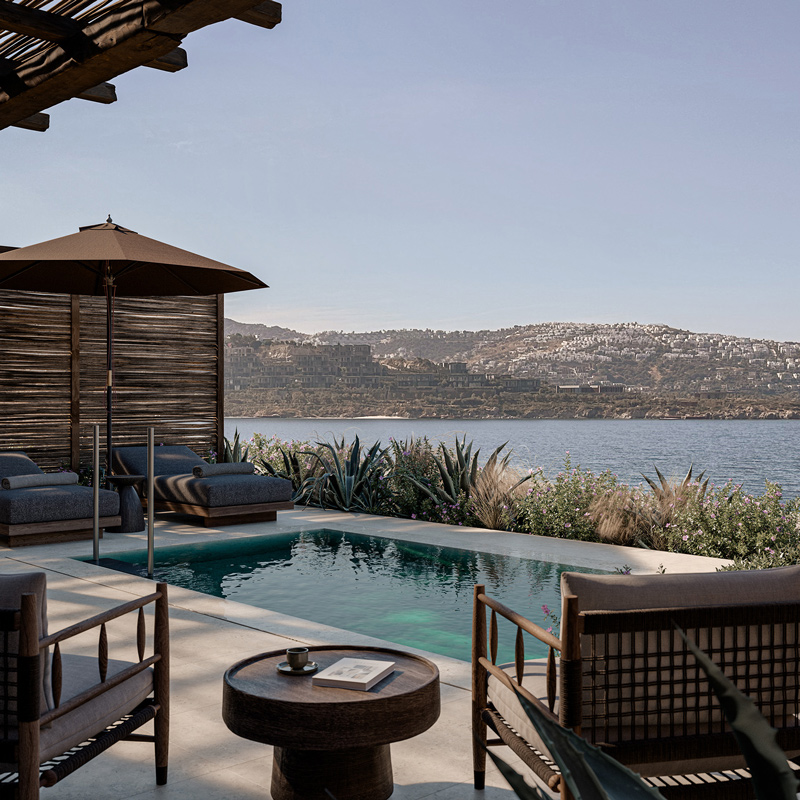
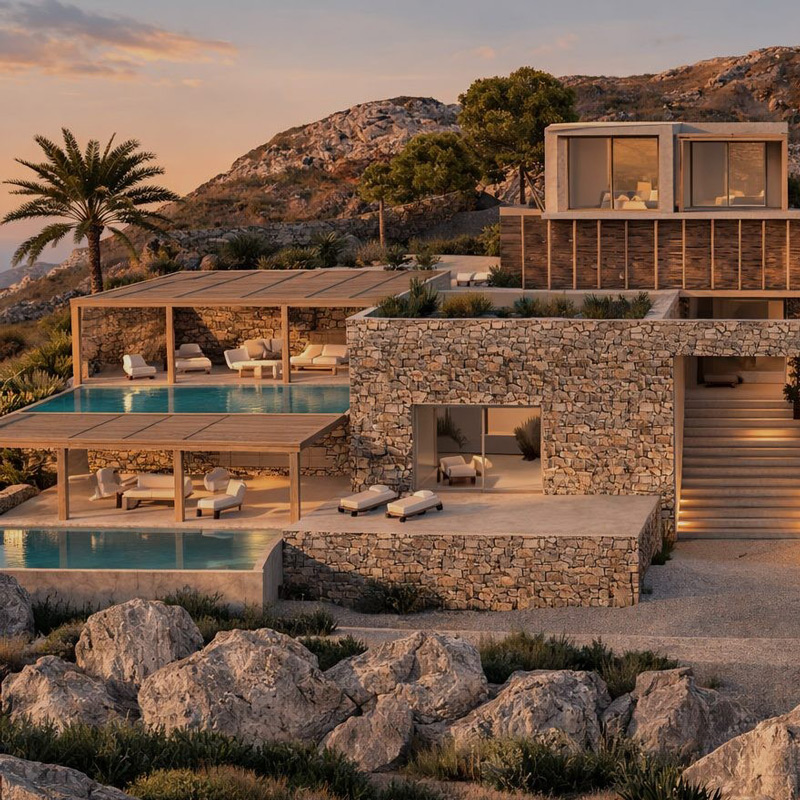
The window matters, and it varies by property type. OKU Bodrum brings the OKU group’s bohemian-luxe formula — already proven in Ibiza and Kos — to a new stretch of Turkish coastline, where its first season carries the dual advantage of brand recognition and launch-window pricing that won’t return once the property is established. Tierras Villas operates on a different commercial logic entirely: a villas-only opening near Heraklion, where the early-booker calculus is less about per-night rates than about access to the most desirable units before regulars claim them year after year. Knowing which kind of value a new opening offers is, in itself, a useful traveller skill.
6. More Attentive Service
The service economics of a new hotel are simply better for guests, and the reasons are unromantic. Lower initial occupancy means a more favourable staff-to-guest ratio. Fresh hires are still operating at peak motivation. The property hasn’t yet developed the small operational shortcuts that creep into every mature hotel.
Crucially, new openings tend to attract the most ambitious hospitality talent. General managers building their next chapter, F&B directors with something to prove, sommeliers and concierges who chose this opening over five other offers. The energy is different — and guests feel it from check-in onward.
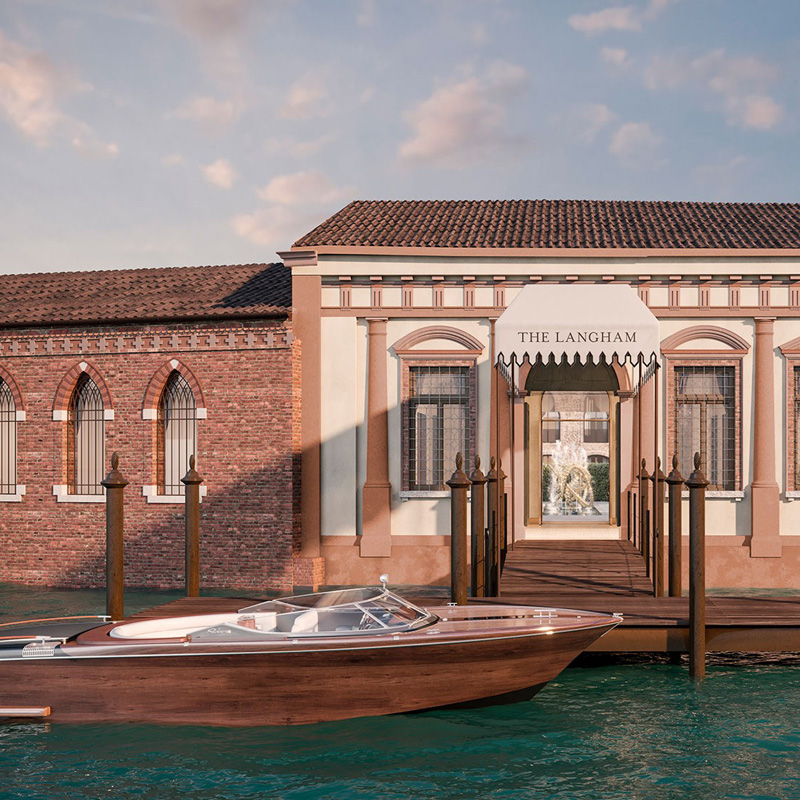
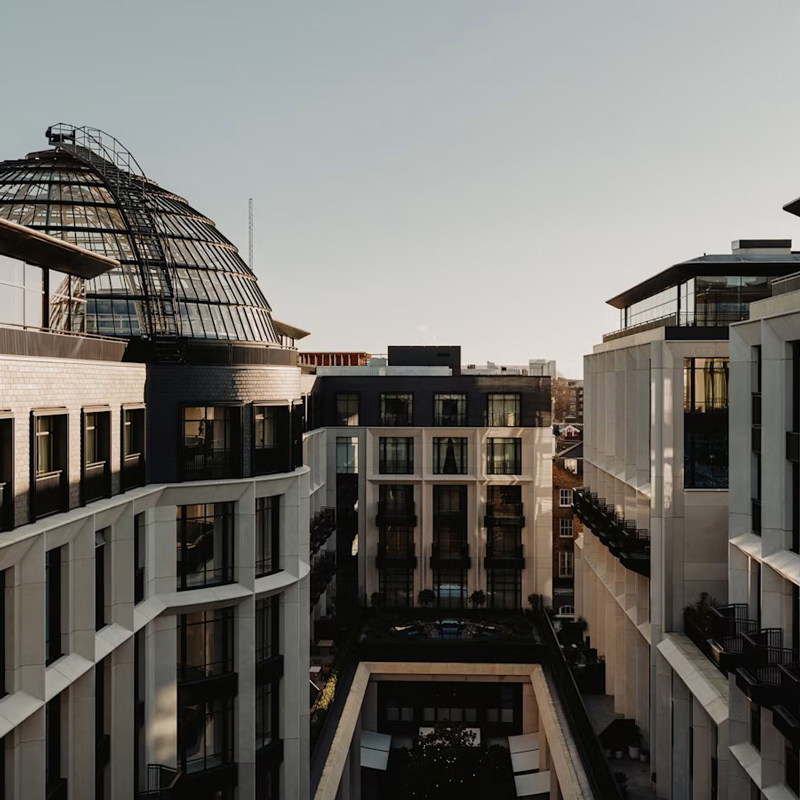
The effect is most visible in cities where competition is ruthless. The Langham Venice brings one of the most service-obsessed legacy brands in hospitality to a city that has no patience for middling execution — and the opening team knows it. The first season at a Langham is engineered to set the standard the property will be measured against for decades. Six Senses London is, if anything, an even more pointed test: a brand whose entire reputation rests on personalised wellness and bespoke attention, opening in the most competitive luxury market in Europe. The opening months at properties like these are when service runs at its most precise — before volume softens the edges.
The Real Argument
The case for new hotels isn’t romance — it’s structural. They’re more current architecturally, better calibrated technologically, more motivated operationally, and more interesting commercially than properties that have been operating at scale for years. A new opening represents a moment of optimised attention that, by definition, doesn’t last.
For the traveller willing to look at a hotel before its Instagram tag is saturated, the calculus is straightforward: the best stays of 2026 are the ones being completed right now. The next ones won’t be far behind.
For the latest openings worth booking, browse our full collection of new stays or read our coverage of the most anticipated hotel openings of 2026.
Article published on May 6, 2026